
**Five Takeaways from Illinois’ Democratic Primary Elections**
Illinois’ Democratic primary elections on Tuesday drew significant attention—not always focused solely on the candidates on the ballot. The primary for the open U.S. Senate seat, left vacant by retiring Sen. Dick Durbin, served as an important test of Illinois Gov. JB Pritzker’s political influence ahead of a potential 2028 presidential run. Meanwhile, outside spending from pro-Israel and pro-crypto groups surged in House primaries during the closing weeks.
Here are five key takeaways from Tuesday’s results:
### Stratton on Path to Make History
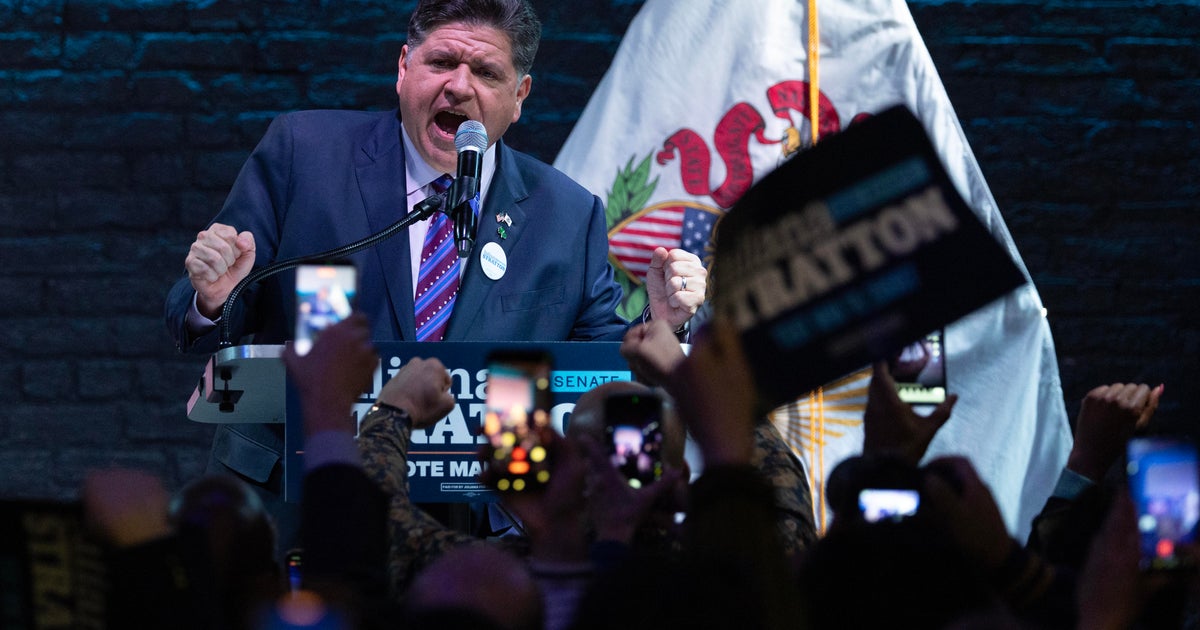
If she wins the general election, where she is heavily favored in Illinois’ Democratic stronghold, Lt. Gov. Juliana Stratton will become the sixth Black woman to serve in the U.S. Senate. A South Side Chicago native and attorney, Stratton served two years as a state representative before becoming Gov. Pritzker’s lieutenant governor in 2018.
Her primary victory was driven by a strong showing in Chicago, while remaining competitive against her main opponent, Rep. Raja Krishnamoorthi, in suburban and rural parts of the state. Stratton positioned herself as a fierce opponent of the Trump administration, highlighted in a viral campaign ad featuring voters angrily confronting the former president.
She has also pledged to push for the abolition of Immigration and Customs Enforcement (ICE), emphasizing her progressive stance on immigration.
### Pro-Israel and Pro-Crypto Spending Floods House Primaries
Pro-Israel groups were the largest outside spenders in the Illinois primaries, shelling out over $21 million across four Chicagoland races. They funneled money through committees with broad names that did not have obvious ties to AIPAC or explicitly mention Israel in the ads they funded.
The results were mixed: their preferred candidates won in the 2nd and 7th districts but lost in the 8th and 9th districts. The group claimed a broader victory, noting that “half a dozen anti-Israel candidates” were defeated and signaling readiness to invest more in the 2026 primaries.
AIPAC’s involvement was especially prominent in the 9th District, where it spent over $7 million. However, the eventual winner, Evanston Mayor Daniel Biss, had campaigned against the group’s influence—reflecting shifting dynamics around pro-Israel politics within the Democratic Party.
Biss, whose grandfather was a Holocaust survivor, supports a two-state solution. He also condemned the oppression of Palestinians as “an unacceptable stain on the world and the Jewish people as well.” After his win, Biss declared, “AIPAC found out the hard way. The 9th district is not for sale. This victory belongs to J-Street,” referring to the liberal pro-Israel group that backed him.
### Progressive Candidates Fall Short
Encouraged by recent progressive victories—such as New York City Mayor Zohran Mamdani’s 2025 win and Analilia Mejia’s earlier primary triumph in New Jersey—further-left candidates had entered Tuesday’s Illinois primaries with high hopes. However, they ultimately fell short.
Kat Abughazaleh, a 26-year-old Palestinian American journalist who ran in the 9th District despite only moving to Chicagoland last year, lost to Biss by just over 3 points. Junaid Ahmed, a tech businessman, was defeated by Raja Krishnamoorthi in the 8th District by 5 points. Illinois state Sen. Robert Peters, backed by the progressive Working Families Party, placed third in the 2nd District.
All three candidates ran to the left of their opponents on issues such as immigration and Israel, with affordability as a central theme—mirroring Mamdani’s campaign platform in New York. Despite support from the Congressional Progressive Caucus, the Justice Democrats, and endorsements from Sen. Bernie Sanders of Vermont, the progressive wing of the Democratic Party came away with few victories in Illinois.
### High Voter Turnout Reflects Energized Electorate
The primary saw robust voter participation, reflecting widespread enthusiasm and engagement among Illinois Democrats ahead of the general election. High turnout often signals a motivated base and can influence the momentum of candidates moving forward into November.
### Political Clout of Gov. Pritzker Tested
Finally, Tuesday’s primaries served as a barometer for Gov. JB Pritzker’s influence within the state Democratic Party. His backing played a notable role in several races, especially the Senate primary. His continued political clout will be important to watch as speculation grows around a potential 2028 presidential run.
—
The Illinois primaries on Tuesday painted a complex picture of shifting alliances, outside spending battles, and the evolving landscape within the Democratic Party as candidates gear up for the coming general elections.
https://www.cbsnews.com/news/illinois-primaries-takeaways-jb-pritzker-juliana-stratton/